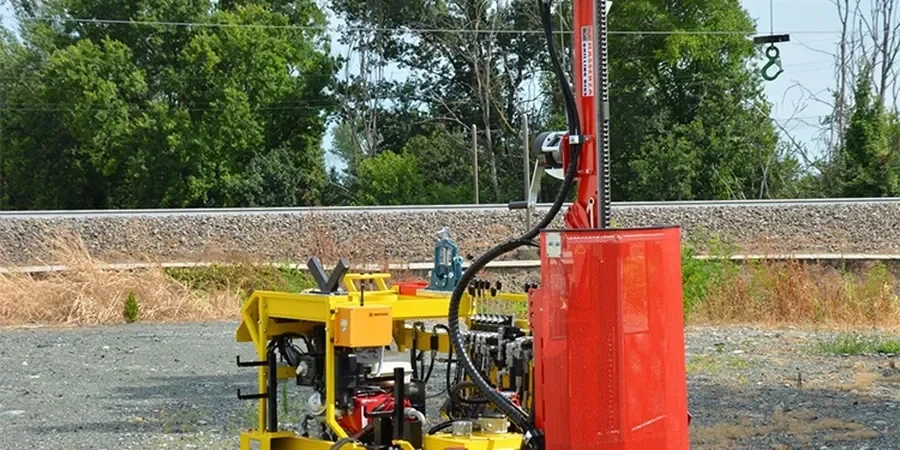
Geotechnical investigation in Coffs Harbour encompasses the systematic assessment of subsurface conditions to inform safe, cost-effective design and construction. This category covers a broad spectrum of field and laboratory techniques aimed at characterising soil, rock, and groundwater behaviour. In a coastal city like Coffs Harbour, where development ranges from beachfront properties to hinterland slopes, understanding ground conditions is critical. Investigations identify potential hazards such as soft marine clays, reactive soils, or shallow bedrock, enabling engineers to tailor foundation solutions and earthworks strategies accordingly.
The geological setting of Coffs Harbour is dominated by the Coffs Harbour Association, part of the New England Orogen, featuring steeply dipping meta-sedimentary rocks including greywacke, argillite, and slate. These formations are often overlain by residual clayey silts and colluvial deposits on slopes. Along the coastal plain, Quaternary alluvial and estuarine sediments prevail, with layers of soft clay and loose sand that can present bearing capacity and settlement challenges. Localised areas also exhibit acid sulfate soils, requiring careful investigation to mitigate environmental and structural risks during excavation.
Australian Standard AS 1726-2017 provides the overarching framework for geotechnical site investigations, defining procedures for borehole drilling, sampling, and in-situ testing. In New South Wales, compliance with the National Construction Code and relevant Australian Standards is mandatory, while local council development control plans may impose additional requirements for erosion, sediment control, and acid sulfate soil management. Investigations must also consider the NSW State Environmental Planning Policy for resilient and sustainable development, particularly in flood-prone or coastal erosion zones around Coffs Harbour.
Projects requiring thorough investigation span residential subdivisions, multi-storey commercial buildings, council infrastructure including roads and drainage, and coastal protection works. For example, a standard penetration test (SPT) provides invaluable data on soil density and strength, commonly used in foundation design for structures across the region. Similarly, assessments of slope stability are essential for developments on the steeper terrain of the Orara escarpment, while groundwater monitoring supports dewatering design for basements in the Jetty precinct.
A typical investigation involves desktop studies, field exploration such as boreholes and test pits, in-situ testing like the standard penetration test, and laboratory analysis of soil and rock samples. The scope is tailored to the site's geology and the proposed development, assessing bearing capacity, settlement potential, slope stability, and groundwater conditions in compliance with AS 1726-2017.
Coffs Harbour City Council generally requires a geotechnical report for developments on sloping land, sites with known fill or soft soils, and for structures exceeding standard residential thresholds. The specific triggers are outlined in the local Development Control Plan, with additional requirements for acid sulfate soil areas and flood-prone zones as per NSW planning policies.
Coastal areas often contain soft estuarine clays requiring deep pile foundations or ground improvement, while hillside sites with residual soils may need retaining walls and drainage measures. The underlying meta-sedimentary rock provides excellent bearing capacity at depth, but its variable weathering profile demands careful investigation to determine appropriate founding levels.
AS 1726-2017 is the primary standard, detailing procedures for drilling, sampling, in-situ testing, and reporting. Additional guidance comes from AS 2870 for residential slabs and footings, and AS 2159 for piling design and installation. NSW-specific requirements are enforced through council development controls and state environmental planning instruments.